
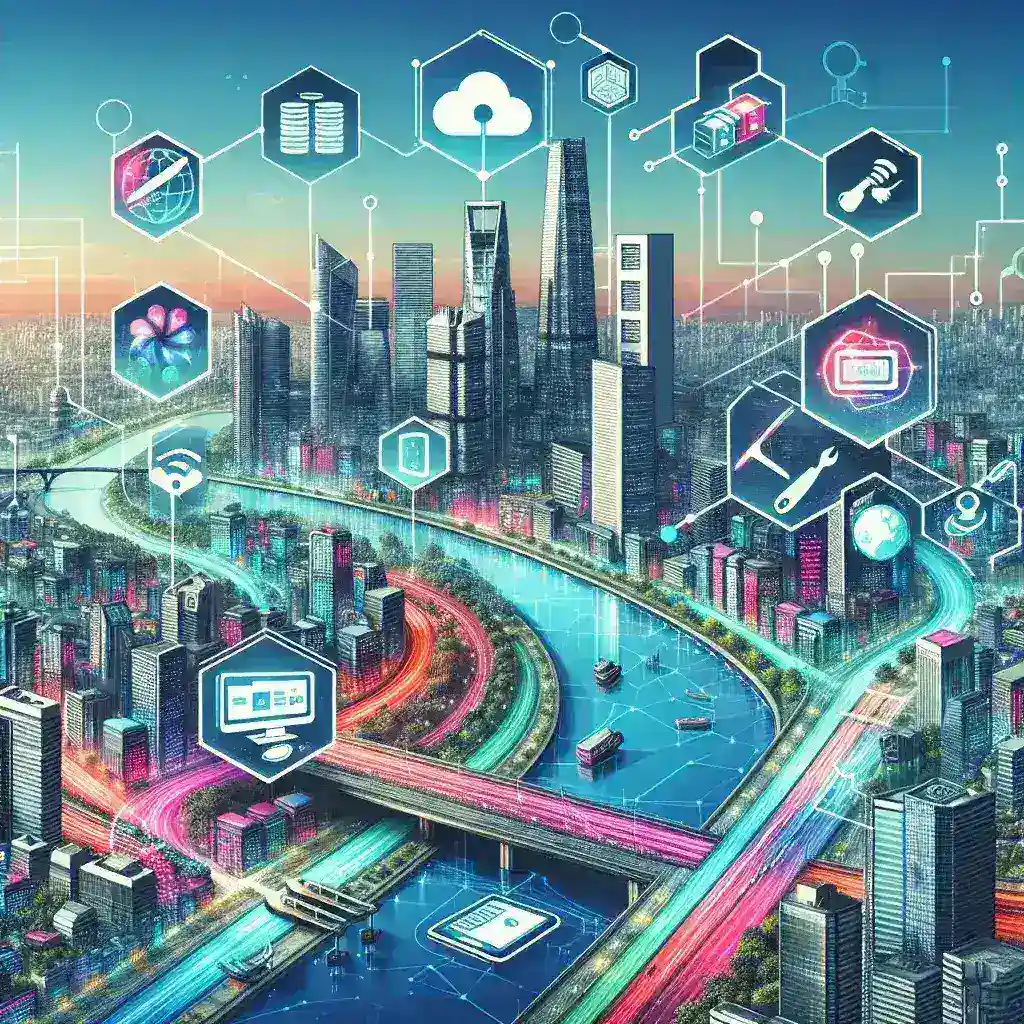
The digital landscape is experiencing a seismic shift as organizations worldwide recognize the limitations of traditional cloud computing architectures. Edge computing has emerged as a transformative technology that brings computational power closer to data sources, fundamentally changing how we process, analyze, and act upon information in real-time.
Understanding Edge Computing’s Revolutionary Approach
Edge computing represents a paradigm shift from centralized cloud processing to distributed computing networks positioned at the “edge” of networks, closer to end-users and data sources. This approach dramatically reduces latency, minimizes bandwidth consumption, and enables real-time decision-making capabilities that were previously impossible with traditional cloud architectures.
The technology addresses critical challenges faced by modern applications, including autonomous vehicles requiring split-second decision-making, industrial IoT systems demanding immediate responses, and augmented reality applications needing seamless user experiences. By processing data locally rather than transmitting it to distant data centers, edge computing eliminates the bottlenecks that have historically limited performance-critical applications.
Current State of Edge Computing Infrastructure
Today’s edge computing ecosystem encompasses various deployment models, from micro data centers and content delivery networks to cellular base stations and IoT gateways. Major technology companies have invested billions in developing edge infrastructure, creating a foundation for the next generation of distributed computing applications.
The current infrastructure primarily focuses on:
- Content delivery optimization for streaming services
- Industrial automation and manufacturing processes
- Smart city applications including traffic management and public safety
- Healthcare monitoring and telemedicine solutions
- Retail analytics and customer experience enhancement
These implementations have demonstrated edge computing’s potential while revealing opportunities for significant advancement in tooling and platform capabilities.
Emerging Tools and Platforms Shaping the Future
The evolution of edge computing tooling represents one of the most exciting aspects of this technological revolution. Container orchestration platforms specifically designed for edge environments are emerging, offering lightweight alternatives to traditional Kubernetes deployments that can operate efficiently on resource-constrained edge devices.
Next-Generation Edge Operating Systems
Specialized operating systems optimized for edge computing are being developed to address the unique requirements of distributed computing environments. These systems prioritize minimal resource consumption, enhanced security features, and seamless connectivity management across diverse network conditions.
AI-Powered Edge Management Tools
Artificial intelligence is becoming integral to edge computing management, with tools that can automatically optimize resource allocation, predict maintenance needs, and adapt to changing network conditions. Machine learning algorithms embedded within edge management platforms enable self-healing networks that can respond to failures and performance degradation without human intervention.
Low-Code Edge Development Platforms
The democratization of edge computing development is accelerating through low-code and no-code platforms that enable developers to create and deploy edge applications without extensive infrastructure expertise. These platforms abstract complex networking and deployment considerations, making edge computing accessible to a broader range of developers and organizations.
Industry-Specific Applications and Innovations
Different industries are driving unique innovations in edge computing tooling, each addressing specific operational requirements and regulatory constraints.
Manufacturing and Industry 4.0
Manufacturing environments are pioneering edge computing applications that enable real-time quality control, predictive maintenance, and automated production optimization. Specialized tooling for industrial edge computing includes protocols for machine-to-machine communication, safety-certified software platforms, and integration tools for legacy manufacturing equipment.
Healthcare and Medical Devices
Healthcare applications require edge computing tools that prioritize data privacy, regulatory compliance, and reliability. Medical-grade edge computing platforms are being developed with built-in HIPAA compliance, advanced encryption capabilities, and fail-safe mechanisms that ensure continuous operation of life-critical systems.
Autonomous Systems and Transportation
The automotive industry is driving innovations in edge computing tooling for autonomous vehicles, smart traffic systems, and connected transportation infrastructure. These tools must handle massive amounts of sensor data, make real-time safety decisions, and maintain reliable communication with other vehicles and infrastructure components.
Security and Privacy Considerations
As edge computing proliferates, security and privacy concerns become increasingly complex. The distributed nature of edge infrastructure creates new attack vectors and challenges traditional security models that were designed for centralized systems.
Zero-trust security frameworks are being adapted for edge environments, implementing continuous authentication and authorization processes that verify every device and user attempting to access edge resources. Advanced encryption techniques, including homomorphic encryption and secure multi-party computation, enable data processing at the edge while maintaining privacy and security.
Edge-specific security tools are emerging that can detect and respond to threats in real-time, without relying on centralized security operations centers. These tools use machine learning to identify anomalous behavior patterns and can automatically isolate compromised edge devices to prevent lateral movement of threats across the network.
The Role of 5G and Beyond in Edge Computing Evolution
The deployment of 5G networks is accelerating edge computing adoption by providing the high-bandwidth, low-latency connectivity required for advanced edge applications. Network slicing capabilities in 5G enable dedicated virtual networks for specific edge computing applications, ensuring consistent performance and security isolation.
Future 6G networks are expected to further enhance edge computing capabilities with even lower latency, higher bandwidth, and native AI integration. These advances will enable new categories of edge applications, including holographic communications, extended reality experiences, and brain-computer interfaces.
Challenges and Opportunities Ahead
Despite its tremendous potential, edge computing faces several challenges that must be addressed for widespread adoption. Standardization remains a critical issue, as the lack of universal standards complicates interoperability between different edge platforms and tools.
Resource management in edge environments presents unique challenges due to the heterogeneous nature of edge devices and varying network conditions. Future tooling must address these challenges through intelligent resource orchestration that can adapt to changing conditions and optimize performance across diverse hardware platforms.
Environmental and Sustainability Considerations
The proliferation of edge computing infrastructure raises important questions about energy consumption and environmental impact. Future edge computing tools must prioritize energy efficiency and incorporate renewable energy sources to ensure sustainable growth of edge infrastructure.
Predictions for the Next Decade
Looking ahead, several trends will shape the future of edge computing and related tooling. The convergence of edge computing with other emerging technologies, including quantum computing, blockchain, and advanced AI, will create new possibilities for distributed computing applications.
By 2030, we can expect to see fully autonomous edge computing networks that can self-configure, self-optimize, and self-heal without human intervention. These networks will use advanced AI to predict and prevent failures, optimize resource allocation, and adapt to changing requirements in real-time.
The democratization of edge computing will continue through increasingly sophisticated development tools and platforms that make edge application development accessible to non-specialists. This will accelerate innovation and enable new use cases that we cannot yet imagine.
Preparing for the Edge Computing Revolution
Organizations preparing for the edge computing future should focus on developing skills and capabilities that will be essential in the distributed computing era. This includes understanding edge-specific architectures, security models, and development practices that differ significantly from traditional cloud computing approaches.
Investment in edge computing infrastructure and tooling should be strategic, focusing on platforms and tools that offer flexibility, scalability, and interoperability. Organizations should also consider the long-term implications of their edge computing strategies, including sustainability, security, and regulatory compliance requirements.
The future of edge computing and related tooling promises to transform how we interact with technology, enabling new applications and experiences that were previously impossible. As this technology continues to evolve, it will reshape industries, create new business models, and fundamentally change our relationship with digital systems. Organizations that embrace edge computing today will be best positioned to capitalize on the opportunities that this revolutionary technology will create in the years ahead.